May We Learn from Our Past
Our Mission
Welcome! My name is Zara Sword, and I authored and coded this website from scratch to spread awareness about Bosnia's recent history and its lasting, present-day repercussions whilst sharing stories of hope and resilience. This project has led to much self-reflection and has allowed me to connect even deeper with my family members and my own Bosnian heritage. I can only continue to emphasize the importance of your contributions to global peace and humanitarian change by staying vocal and informed.
Present-Day Urgency
In response to sending US military peacekeepers to stop the Rwandan genocide of 1994 – during which approximately 1 million innocent civilians were murdered over a 3-month period– a U.S. government official justified American inaction with the statement, “one Rwandan life is worth 80,000 American lives.”
A life is a life. A simple postulate. Yet how is it that the world continues to watch as multitudes of horrific genocides are blatantly orchestrated? What does it mean for an event to be labelled as genocide? And how do we, as the human collective, unite on a course of action?
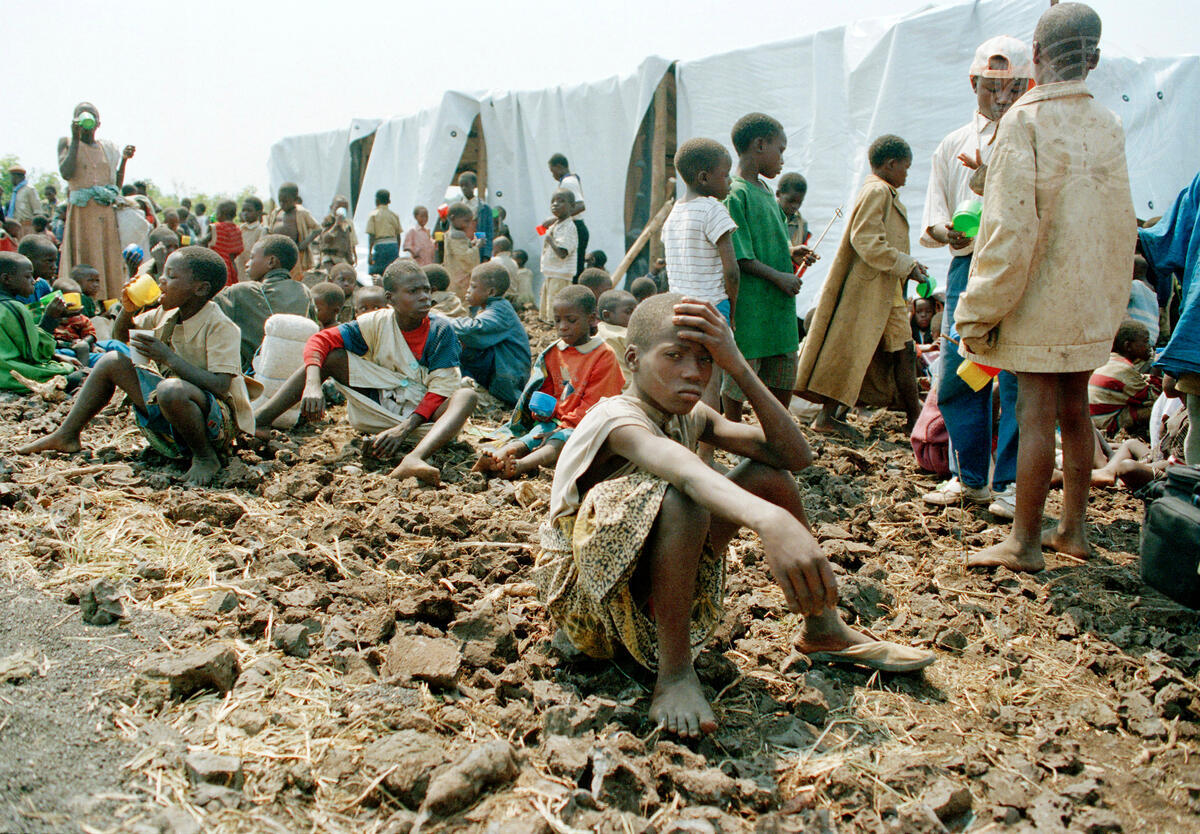
UN photo by John Isaac, July 25, 1994. Recently orphaned Rwandan children rest and drink water at Ndosha camp in Goma, Democratic Republic of Congo. Many of these children witnessed the murder of their parents.
The historic disregard for those who live far from where we feel at home only contributes to the dehumanization that target groups face globally. Therefore, it is time that we recognize each other as fellow human beings entitled to the same fundamental rights: life and freedom. Human rights violations towards one group endangers human rights for us all. The first step towards treating each other "in a spirit of brotherhood" is to recognize our shared humanity and loudly advocate for those who are silenced (Universal Declaration of Human Rights).
In order to build a better future, we must first confront our history. Not only the history of individual countries, but –in the spirit of pioneering genocide scholar Raphael Lemkin– the humanity-wide history of mass atrocity with a global ripple effect. This site emphasizes the importance of dialogue, of remembering these histories, and of recognizing the incredible resilience of those who carry these events as personal memories. I wish to emphasize the incredible lessons of hope and perseverance that we can carry with us as we learn about the difficult topic of genocide and mass atrocity.
The mission of this website is driven by activism through education: to raise awareness and foster empathy for those with whom we may not have a personal connection to or live on the other side of the world. As global citizens with multitudes of information at our very fingertips, we have a responsibility to stay informed about human rights violations. In the midst of such monumental, global political shifts, it is more vital than ever to be reminded of each other’s immutable humanity.
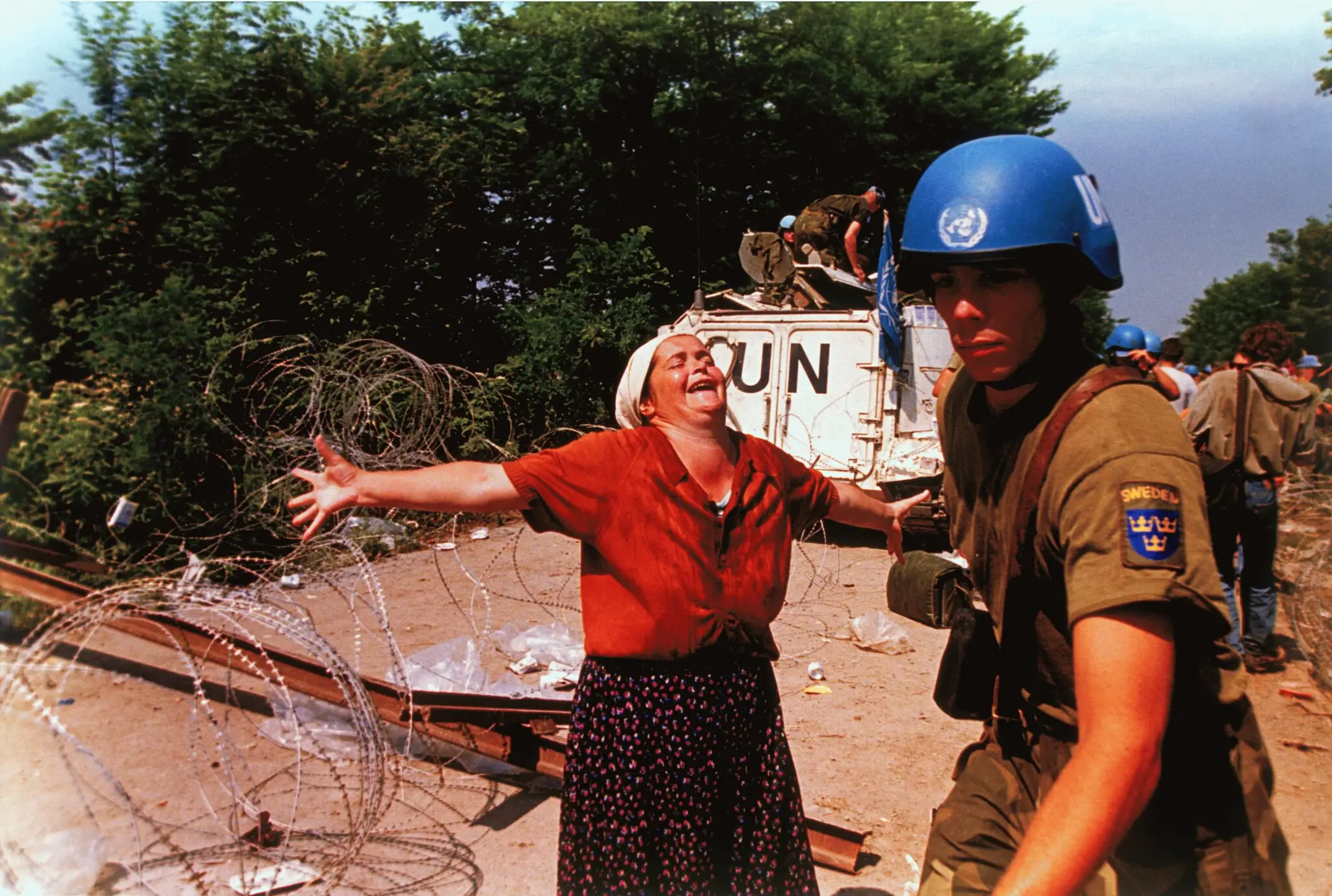
Image from Ron Haviv/VII, via Redux. Nedziba Salihovic, a woman from Srebrenica who lost her husband and son, approaches a U.N. peacekeeper at a Tuzla refugee camp in 1995.
Hope for the Future
The Bosnian Genocide is a part of my family's history. My mother and generations of her ancestors are rooted in Foča, Bosnia, yet two cycles of ethnic cleansing and genocide ultimately led everyone on my maternal side to flee their homes. Their heart-stopping stories of survival, from detonating bombs to the just-as-shocking kindness of complete strangers, have fundamentally shaped my own worldview. I feel the tension between connection and pain in Sarajevo even today, bullet-pocked buildings and shattered windows still a common site in the winding streets.
It is my hope to build a brighter, more peaceful future with the support of each reader who, after reading about the Bosnian atrocities, will then carry a piece of that story within themselves, too. One reader will contribute to a more empathetic and interconnected world.
Thank you for becoming a part of this journey.
Learn More
What is Genocide?
In the official, legal definition is outlined in the 1948 Genocide Convention, created in the aftermath of the Holocaust, as follows:
"In the present Convention, genocide means any of the following acts committed with intent to destroy, in whole or in part, a national, ethnical, racial or religious group, as such:
(a) Killing members of the group;
(b) Causing serious bodily or mental harm to members of the group;
(c) Deliberately inflicting on the group conditions of life calculated to bring about its physical destruction in whole or in part;
(d) Imposing measures intended to prevent births within the group;
(e) Forcibly transferring children of the group to another group.
The following acts shall be punishable:
(a) Genocide;
(b) Conspiracy to commit genocide;
(c) Direct and public incitement to commit genocide;
(d) Attempt to commit genocide;
(e) Complicity in genocide."
To learn more about genocide and other crimes against humanity, please explore the linked resources below. Feel free to contact me at [email protected] with any thoughts, questions, or contributions.
United Nations: War in Bosnia
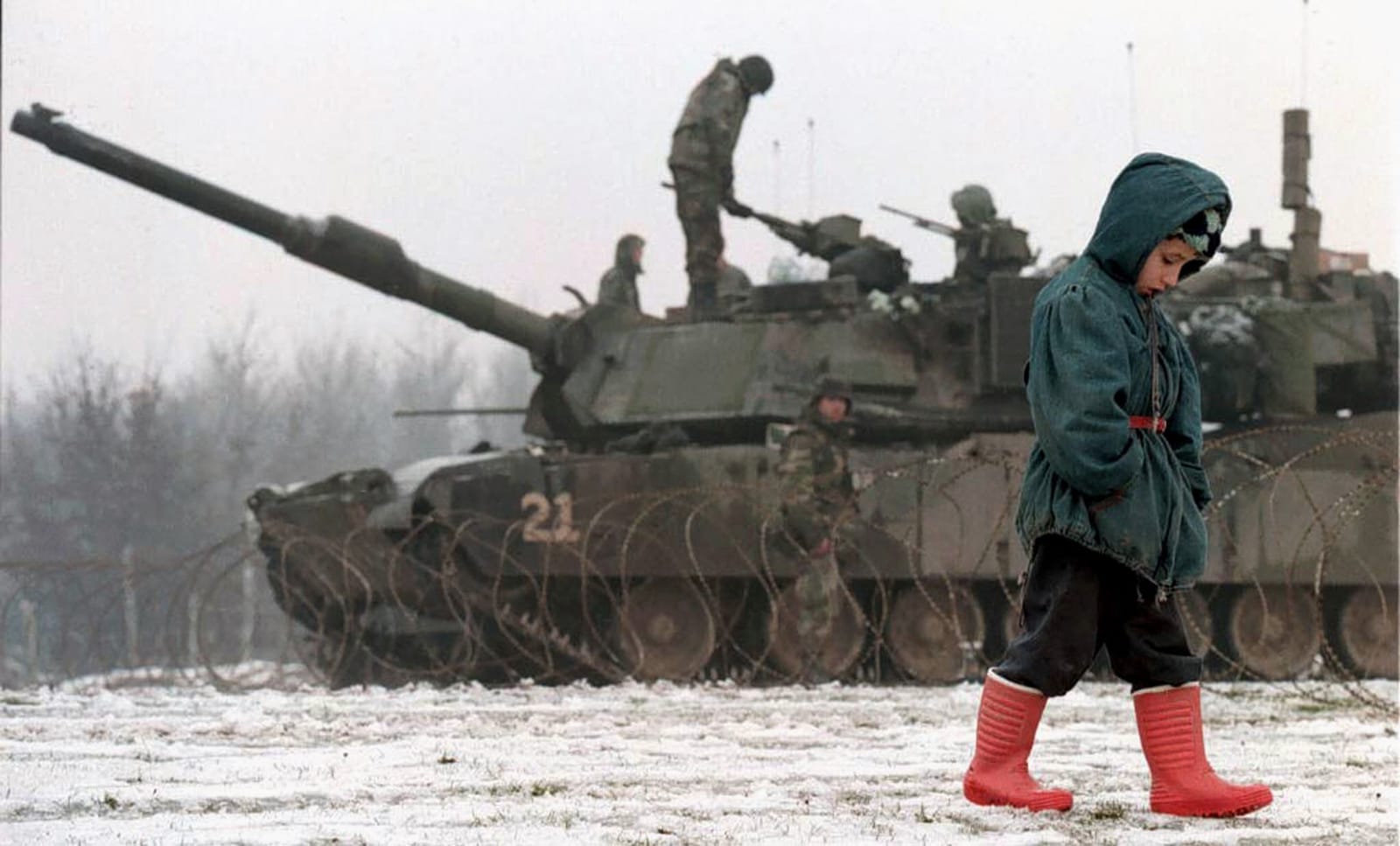
Odd Andersen/AFP via Getty Images
The patterns of the Bosnian War and Genocide from 1992-1995 are not an isolated incident. Rather, the lessons we can learn about genocide prevention from this case study is vital to curbing ongoing conflicts, such as the war in Ukraine and the attacks on Gazan civilians. We must ensure that these events remain in the collective memory in order to make group progress.
Finding Hope: Art as Resistance
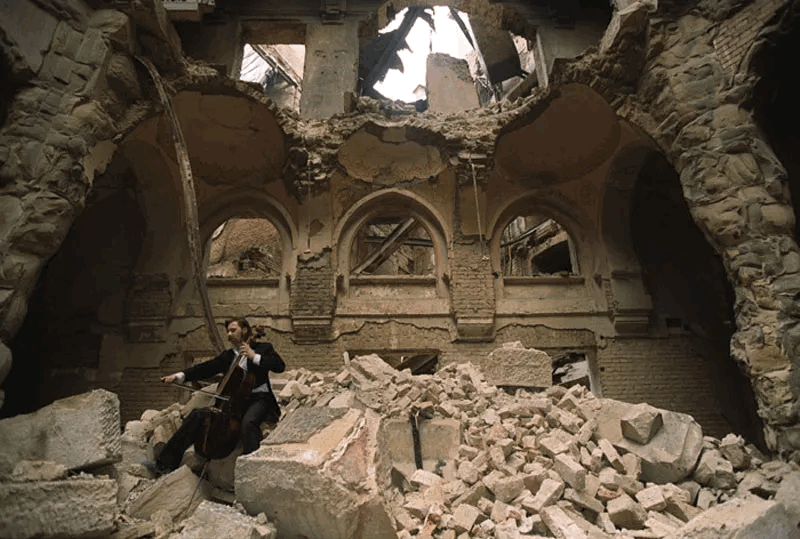
Learn about the acts of civilians to find connection amidst such fear and uncertainty.