The Role of Civilian Accounts in Historic Memory
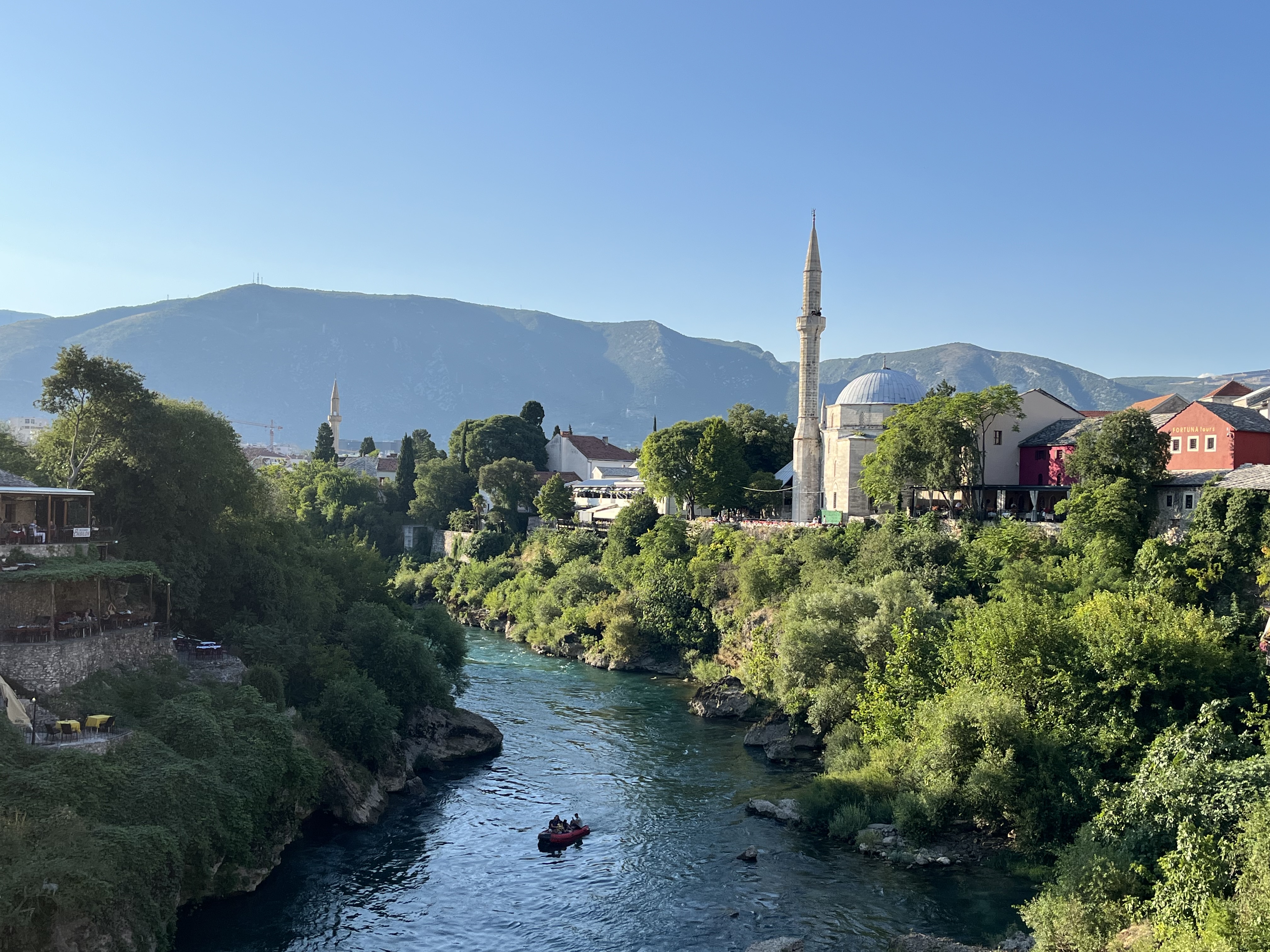
Original image of the River Drina taken from the vantage point of the symbolic Mostar bridge.
When I went to Bosnia as a ten-year-old, it wasn’t my first time going there, but I was old enough at that point to have an understanding of the Bosnian War that resulted from the breakup of ex-Yugoslavia at the end of the Cold War. I had asked my mom about the crumbling, partially caved-in buildings that had not been repaired since the bombings, but my ten-year-old brain didn’t link the conflict to the vague references she made about her separation from her family due to their moving around a lot.
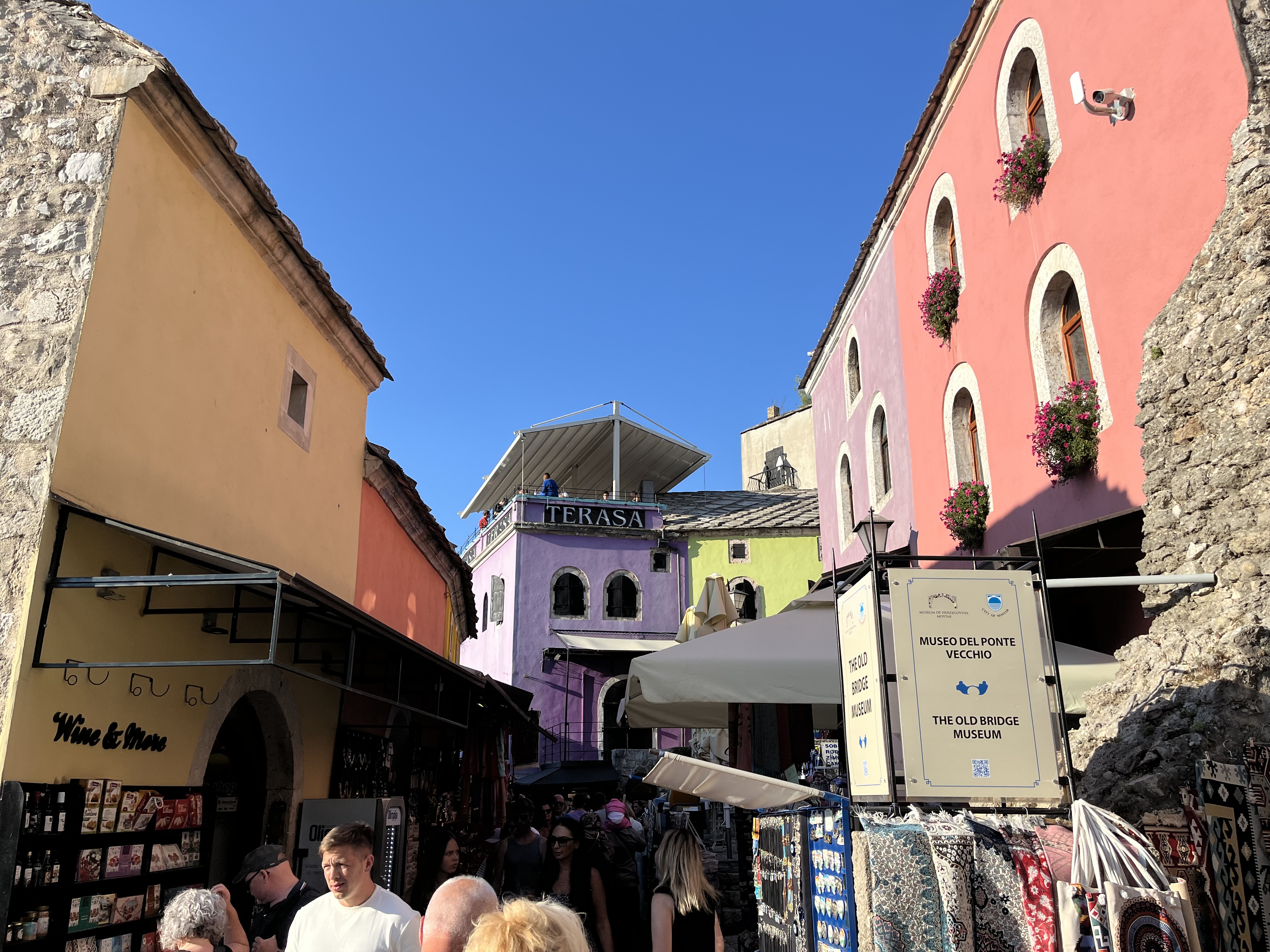
Original image of a bustling Mostar street on a hot midsummer afternoon.
When I went to Bosnia as a ten-year-old, it wasn’t my first time going there, but I was old enough at that point to have an understanding of the Bosnian War that resulted from the breakup of ex-Yugoslavia at the end of the Cold War. I had asked my mom about the crumbling, partially caved-in buildings that had not been repaired since the bombings, but my ten-year-old brain didn’t link the conflict to the vague references she made about her separation from her family due to their moving around a lot.
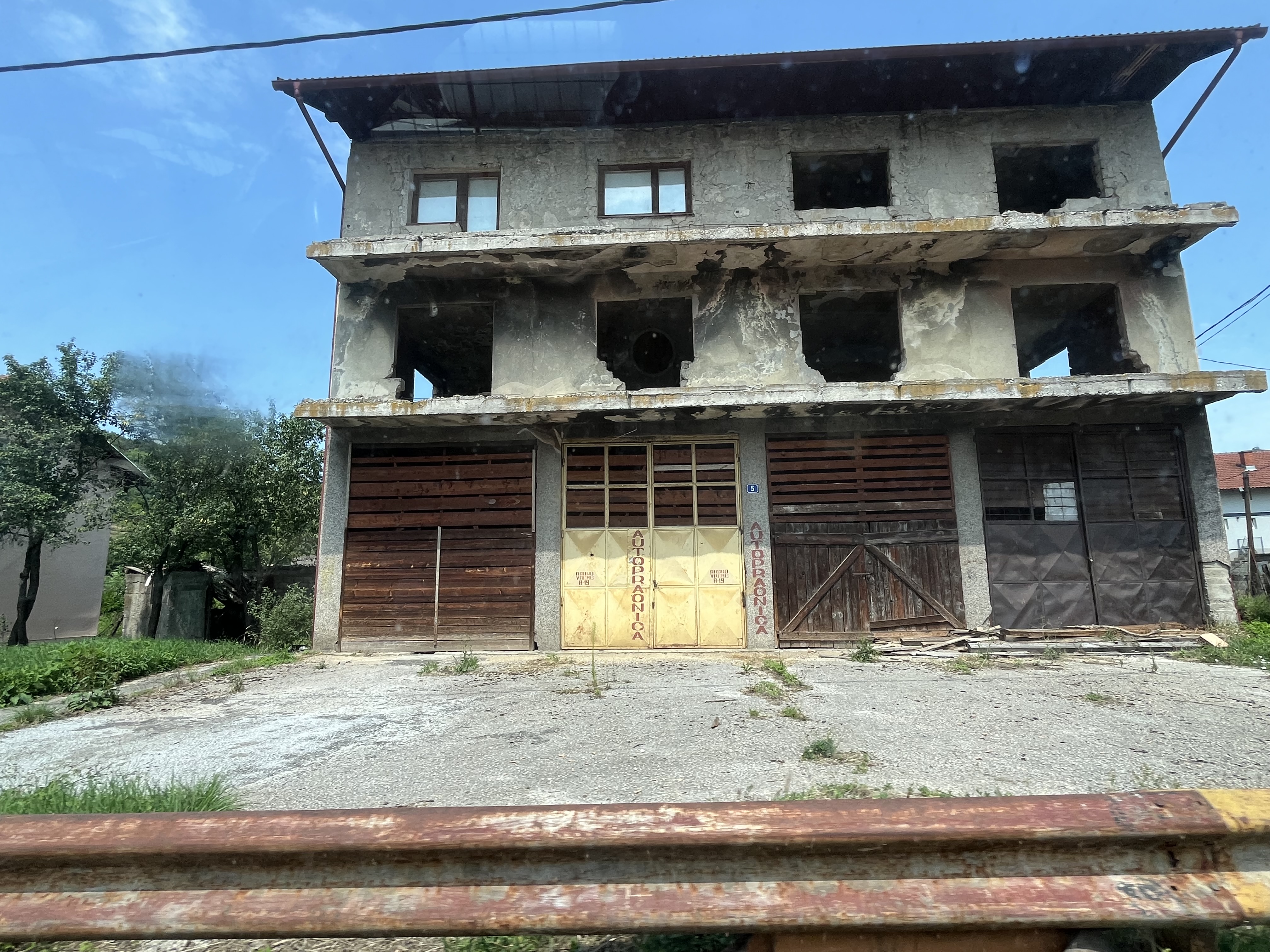
Original image taken on the outskirts of Foča of a home in ruins.
Recently, my mom opened up a lot more about her memories of being a young college student in Sarajevo, the capital of Bosnia and Herzegovina, at the time when the Bosnian War broke out. The war led to the death and displacement of thousands, and is the reason why my mom had to redo two years of college when she escaped as a refugee to Slovenia. The process of having her home ripped away from her, as well as the fact that she was separated from the rest of her family, who escaped to Malaysia and later immigrated to Australia, was very violent and jarring. She described how she felt that she had no time to despair about what had been lost because she needed to pick up the pieces in order to move on and heal.
What she said to me that really stuck with me the most was, “Out there in the world, no one cares what you have gone through.” However, I disagree that no one cares about what you’ve gone through. At least, I believe that people should care about how you’re doing.
Mama's Story: Fleeing the Siege of Sarajevo
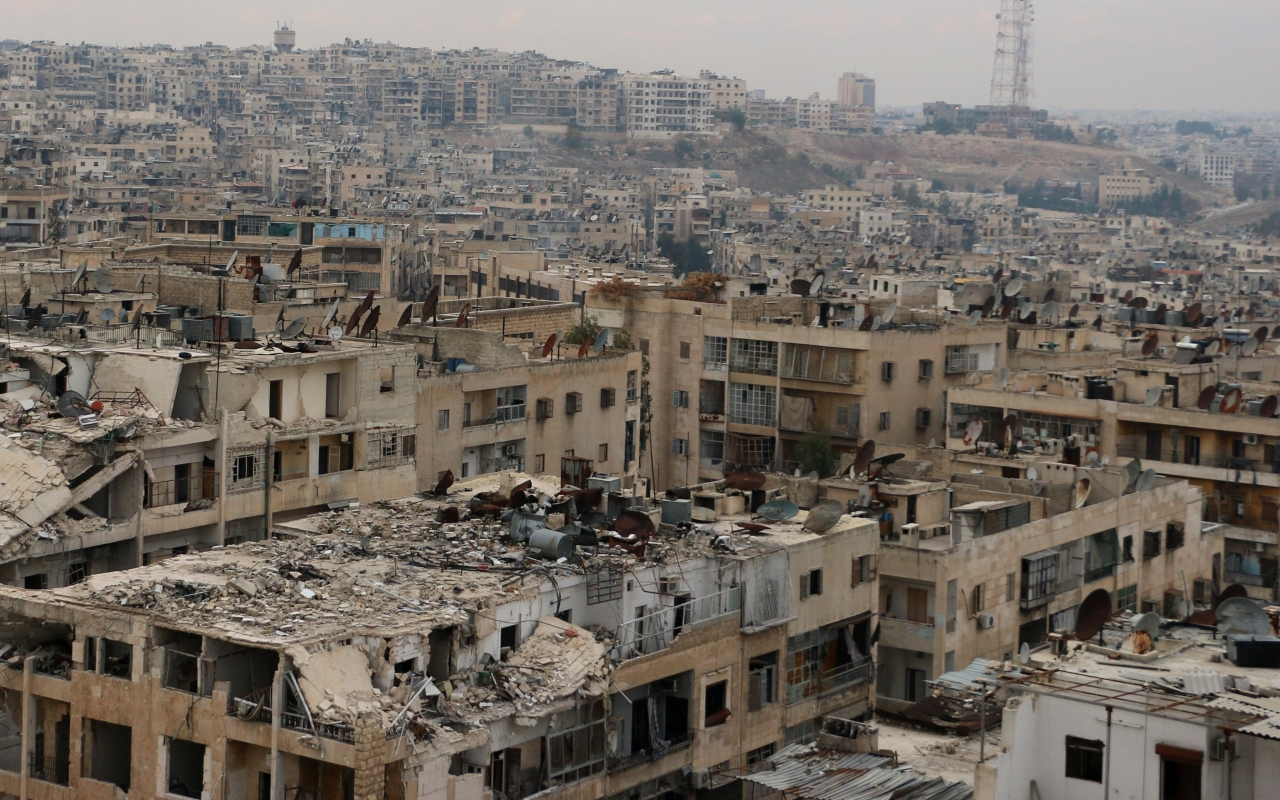
Click the link above to read more about my mother's harrowing escape as she and her father fled the bombings during the Siege of Sarajevo.
Dedo's Story: A Pattern of Genocide
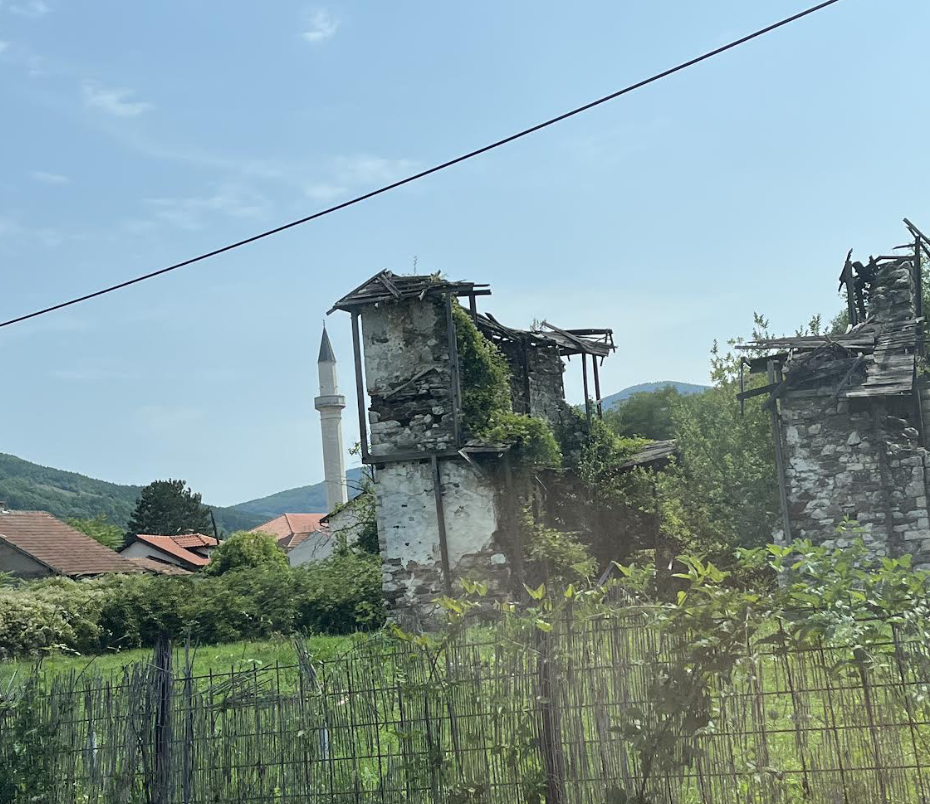
Original image of a bombed home still in shambles in Foča, where my family originates from for too many generations to count. My family's home was burned to the ground at the start of the war in 1992.
Click to read about the cycles of ethnic violence in Bosnia, from the undocumented atrocities committed against Bosnian men in the 1940's that were again repeated 30 years ago, according to the retellings of my grandfather.
More coming soon!