To learn more about Bosnia today as well as information about ongoing genocides around the world, explore the linked resources below.
Investigations into Bosnian Sniper Tourism
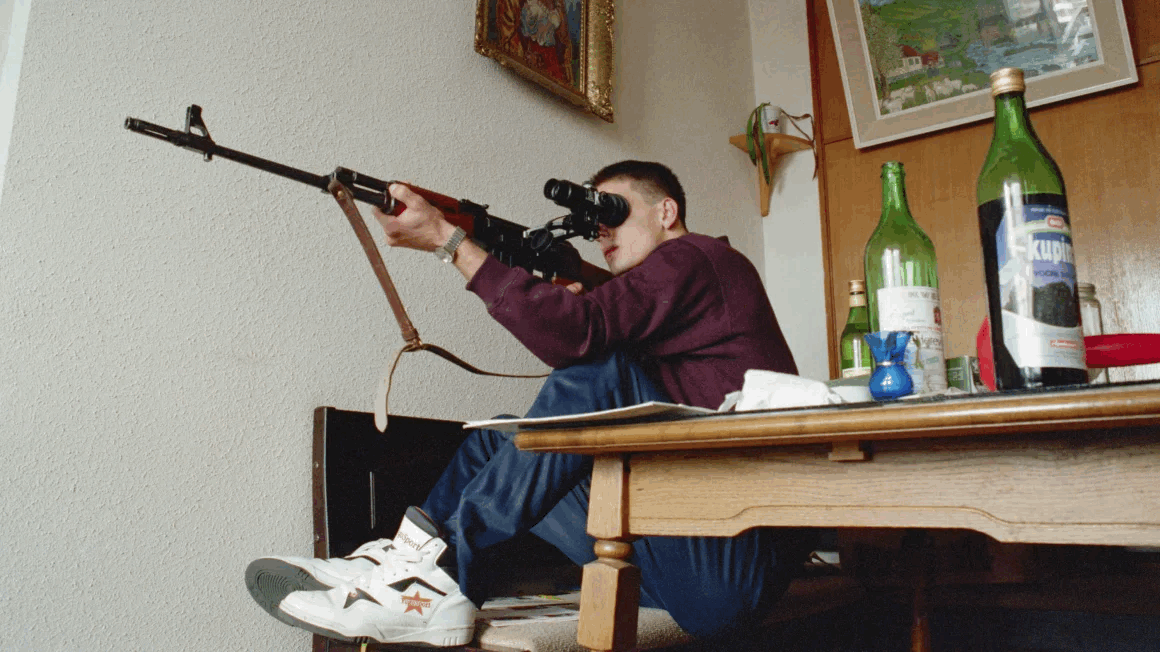
A young Serb sniper aims at civilians from his apartment in the 1990s.
Italy is currently investigating allegations that wealthy Italian individuals paid large sums of money to visit Bosnian Serb occupied territories and shoot at Bosnian civilians.
History Repeats Itself: Thoughts of Bosnian Post-War Returnees
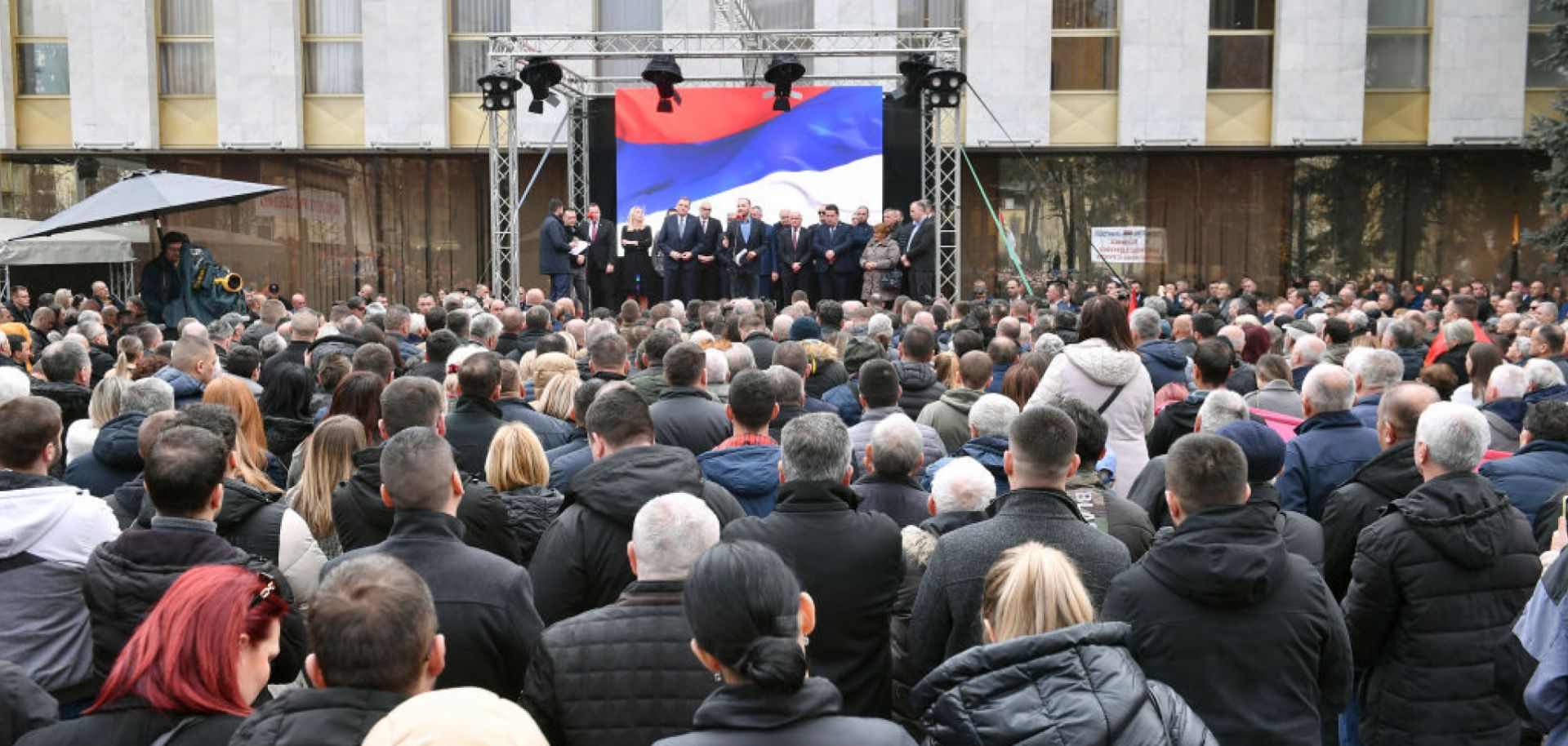
A crowd of supporters of Bosnian Serb separatist Milorad Dodik, the leader of Republika Srpska, assemble on February 26, 2025. Image from ELVIS BARUKCIC/AFP via Getty Images.
As civil and political unrest grows in Bosnia, survivors of the war in the 90's express concerns about the same methods of division gaining popularity today. Bosnia remains on the World Genocide Watch as polarization deepens.
Hope and Rebuilding: Empowering Bosnian Women in Politics
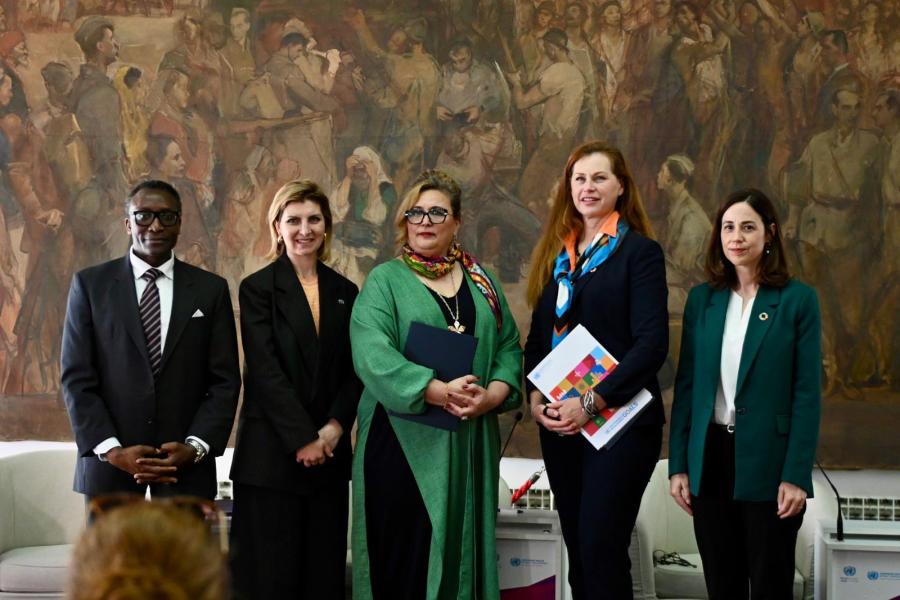
Photo: © UN Women
"The UN Resolution 1325 'Women, Peace, and Security' emphasizes that efforts towards peace and security are more sustainable when women are equal partners in preventing violent conflicts, protection, providing assistance, as well as recovery from armed conflicts and building lasting peace... This is an opportunity to draw attention to the importance of Resolution 1325, as well as the importance of empowering women in preserving peace, security, and reconciliation, as this strengthens Bosnia and Herzegovina's security capacities and makes it a more peaceful place to live."
– Sevlid Hurtić, Minister for Human Rights and Refugees of BiH
Stay Informed About Ongoing Mass Atrocities
Human Rights Watch: Myanmar
Since the 2021 coup, Myanmar’s junta has carried out killings, airstrikes on civilians, forced conscription, and persecution of the Rohingya, driving mass displacement and a humanitarian crisis. These abuses constitute as crimes against humanity and war crimes, leading international courts to seek justice and accountability.
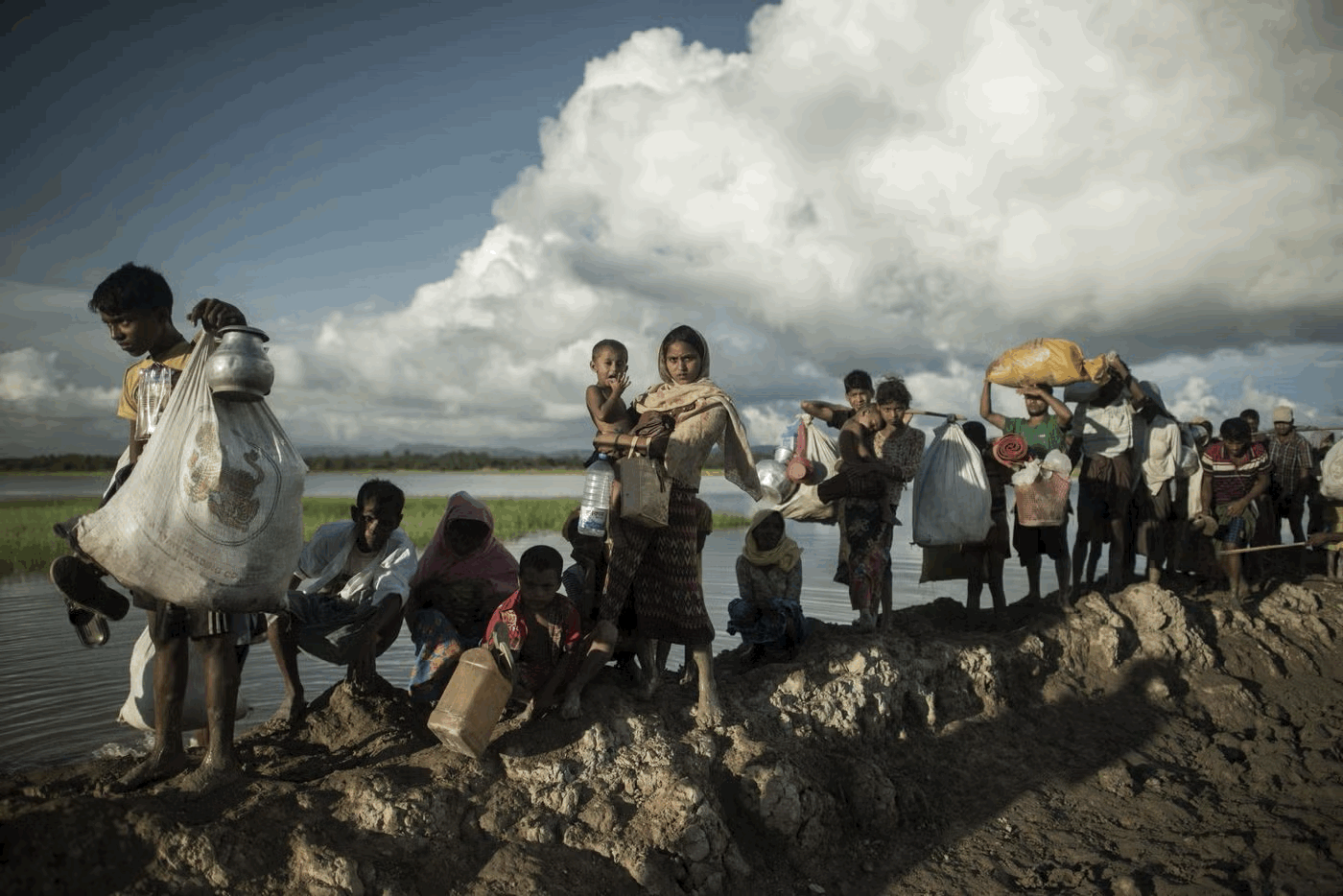
Photographer: Fred Dufour/AFP/Getty Images
For 40 years, the Rohingya, a minority Muslim group in predominantly Buddhist Myanmar, have been systematically attacked. Stripped of their citizenship and history, the Rohingya are targets of merciless slaughter by Myanmar’s military government and the Arakan Army. Since 2017, over 9,000 Rohingya have been killed throughout northern Rakhine state. 1 million have been forced to flee to neighboring Bangladesh, whilst 150,000 internally displaced persons continue to fear for their lives. How much more devastation will it take for the international community to help the Rohingya being persecuted just for their existence?
Shocking satellite photographs show that Myanmar’s military burned more than 300 Rohingya villages to the ground in 2017. Nevertheless, the sheer scale of suffering –with images of proof– still fails to incite international attention. Despite these recent improvements in recording and recognizing atrocities, the US has only labelled the conflict a “genocide” and imposed sanctions on military officials, to little effect.
According to the Responsibility to Protect, powerful nations in particular must protect vulnerable populations under attack from their own government. However, the international system is broken. Within the UN’s Security Council, Russia and China often block genocide intervention initiatives to avoid scrutiny into their own human rights violations. According to these historic patterns, until superpowers believe that genocide prevention is a national interest, they will not dedicate adequate, timely resources to actually save the Rohingya.
The UN’s entrenched limitations are why we need an organized, truly impartial international alliance to provide desperately-needed humanitarian aid. Equal global representation is vital to ensure that the body is not skewed to the interests of only one area of the world, such as how anti-atrocity policies are often undermined by the UN’s P5. Saving lives requires fast, concerted effort. We need a body solely dedicated to safeguarding human rights and enacting change without being hindered by conflicting national agendas. Admittedly, UN involvement in the Rakhine has also been blocked by Myanmar’s banning of foreign aid. Therefore, to successfully protect civilians, we must also embrace a new definition of sovereignty as a responsibility to uphold human rights. When governments such as Myanmar reject this duty, humanitarian peacekeeping forces must override their sovereignty to shield innocents. Currently, however, unless the UN remarkably restructures, there are no systems in place to prioritize human lives over global power dynamics.
The oppression of vulnerable groups like the Rohingya screams for our attention. The slow nature of the UN and lack of accountability within the international community calls for some large, overdue changes to uphold “never again” and address our world of hurt. The clock is ticking– the Rohingya need us now.
Holocaust Museum Houston: Sudan
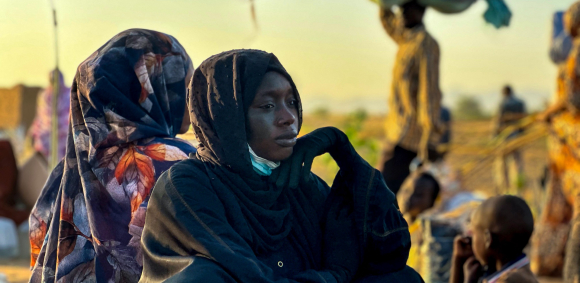
AFP via Getty Images
SUMMARY
Genocide Watch: Xinjian China
Human Rights Watch: Gaza

This web page is coming soon!